
Playtime game

There’s a particular moment familiar to anyone who’s opened a gaming site expecting to waste ten minutes hunting for something decent to play — and instead found something worth clicking within seconds. That’s the experience Panalobet’s homepage was built around. Not flashy for the sake of flash. Just quick, clear, and organized around the simple fact that most visitors show up wanting to play something, not admire a rotating banner ad.
A lot of gaming platforms get this backwards. The homepage becomes a storefront window — stuffed with promos, pop-ups demanding registration before a single game preview loads, menus that feel like five different teams designed them without ever talking to each other. Panalobet took the opposite approach. Every element on the page answers one question: what does a visitor actually want to do here? Usually that’s “find a game and start playing,” so the layout is built around exactly that.
Table of Contents
Why the layout works
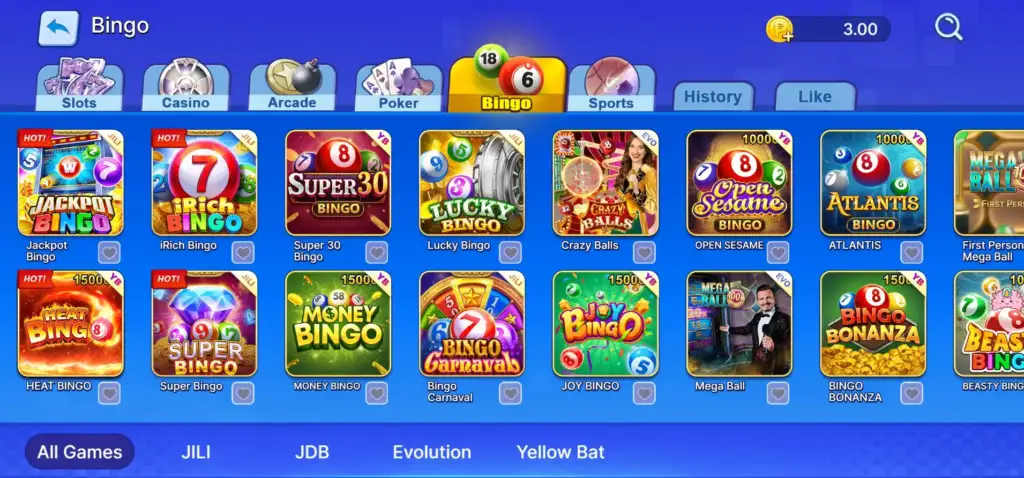
Most game libraries fall into one of two traps — either too cluttered or too sparse. Panalobet sorts titles by what’s genuinely getting played right now, not by whatever the marketing calendar happens to be pushing that week. The front row shifts constantly, and it shifts because players are actually clicking those games, not because someone in an office decided they should be featured.
Search is another area where small details add up fast. Typing half a game’s name, or simply describing a mood — something fast-paced, something that can be walked away from mid-round, something requiring real strategy — brings up results that adjust in real time. That might sound minor until compared against a competing site where finding a half-remembered title from months ago eats up fifteen frustrating minutes.
The game library itself
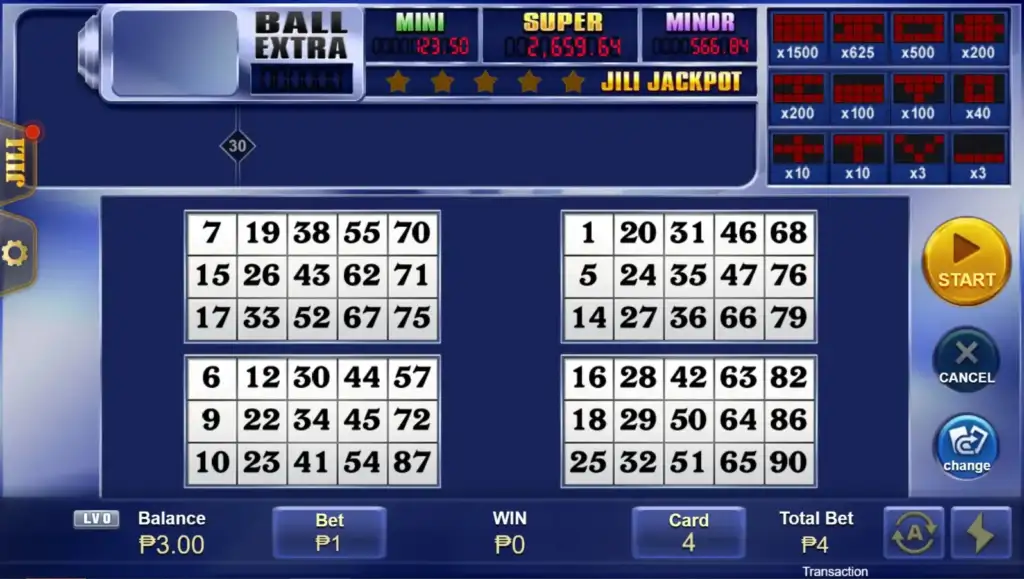
Quality control matters more here than a typical gaming homepage might suggest. Every title passes through checks before landing in the catalog: does it load quickly, does it behave properly on a phone, does it still hold up on the fourth or fifth play-through. Padding a number just to advertise “thousands of games” isn’t the goal. A smaller, genuinely solid library beats a bloated one every time.
The genre spread is wide. Quick arcade-style rounds suit anyone with five spare minutes before a meeting starts. Slower, strategy-heavy titles work for longer sessions where sitting with something for an hour actually appeals. A rotating batch of seasonal releases appears around holidays and then disappears again, which keeps the whole catalog from feeling stale or repetitive. New additions get their own dedicated spot on the homepage, refreshed weekly, so there’s always something unfamiliar to try even after a visit just the day before.
What stands out fastest, though, is how little friction exists between clicking a game and actually playing it. No redirect to a separate app. No five-second loading spinner. A click leads straight into gameplay. That’s not accidental — considerable engineering effort went into keeping load times minimal, and it’s the sort of thing that’s only fully appreciated after using a platform that gets it wrong.
Built for phones first
Most visitors these days aren’t sitting at a desktop. They’re on a train, a couch, a short break between tasks, phone in hand. Panalobet’s homepage was designed mobile-first rather than adapted for mobile as an afterthought, and that distinction shows up in small but meaningful ways — buttons sized for actual thumbs, text that never requires zooming, previews that load fine even on a shaky connection.
A lot of competing platforms treat mobile as secondary, and it shows immediately: tiny tap targets, account settings buried three menus deep, layouts that clearly started life on a desktop screen and got squeezed down afterward. A site that fights users on a phone doesn’t hold their attention for long, regardless of how strong the underlying game library might be.
Playtime games: what the section is really about
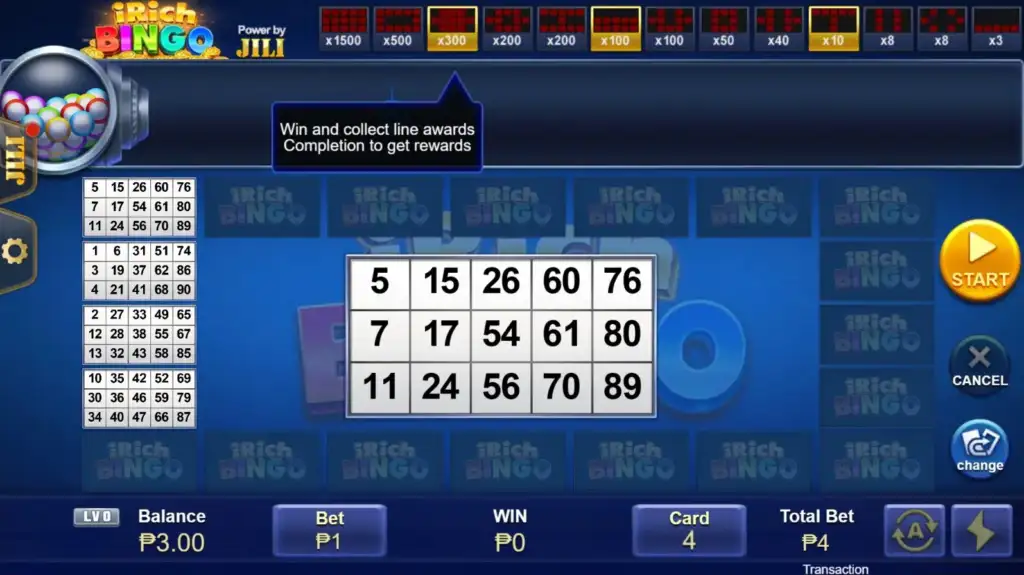
The Playtime games label isn’t just a category name — it captures the philosophy behind that entire corner of the site. These are titles chosen specifically because they don’t demand much upfront: no long tutorial, no dense rulebook, nothing resembling homework before the enjoyment starts. A round or two, and either continuing or closing the tab feels equally natural.
That’s a deliberate contrast to platforms where even the “casual” section somehow buries newcomers under mechanics nobody asked to learn. The idea behind Playtime games stays simple — gaming is meant to feel like a break, not another task competing for attention. Anyone with twenty free minutes looking for something genuinely enjoyable without a steep learning curve will find that section built with exactly that in mind.
Bonuses and rewards
Rewards are, understandably, part of why people keep coming back. Panalobet runs promotions that shift with the season and with activity levels — new arrivals typically see a welcome offer directly on the homepage, while returning players unlock perks that grow the more consistently they play. The system rewards showing up regularly rather than just spending big once and disappearing.
Terms are spelled out clearly, visible on the page itself rather than buried three clicks deep in a footer link nobody reads. When a bonus comes with conditions, those conditions appear in plain language upfront. That transparency matters more than it might initially seem, especially compared to platforms that hide the fine print until after a player has already committed.
Trust and security
None of the rest matters much if a platform can’t be trusted with personal information or time. Real investment goes into this side of things — encrypted connections, secure account handling, a support team that’s actually reachable rather than a black-hole contact form. Trust isn’t something earned through a badge stamped in a footer. It’s built through predictable, consistent behavior over time, which is a less exciting description than it sounds but remains accurate.
Account verification stays quick and straightforward. Payments move through established, secure channels. Support isn’t funneled into a single overwhelmed inbox — multiple contact points exist, and the goal is resolving problems rather than merely acknowledging they exist.
Encouraging responsible play
Worth stating plainly: gaming should stay enjoyable, and that responsibility sits partly with the platform itself. Panalobet provides tools for managing personal activity — setting limits, taking breaks, stepping away entirely when needed. These tools aren’t hidden three menus deep in obscure settings. They’re visible and clearly explained, because a platform that genuinely cares makes stepping back just as easy as diving in.
Constant, incremental change
The homepage isn’t a “build it once and leave it” situation. New content, fresh promotions, and actual player feedback all feed back into what gets added or adjusted next. A meaningful share of current features originated as complaints or suggestions submitted through support tickets. That ongoing back-and-forth explains why the catalog keeps expanding in directions that feel genuinely useful rather than random.
Layout adjustments happen periodically too — not change for its own sake, but because a small tweak sometimes genuinely helps people find things faster, and that’s rarely obvious without testing it directly.
Getting started
Registration doesn’t take long. A short form, quick verification, and access opens up. There’s no multi-day approval wait, no “check back later” holding pattern. The entire structure exists to move someone from curious to actually playing as quickly as reasonably possible.
Once inside, the homepage tends to surface a mix of popular titles and newer releases, avoiding that awkward blank moment of not knowing where to click first. It’s built to offer something worth trying immediately rather than forcing a search through endless menus.
Final thoughts
A homepage usually forms the first impression, and often the one that sticks longest. Panalobet treats it that way — load times, game curation, how bonuses get displayed, all of it circles back to a single idea: make playing effortless instead of turning the site itself into an obstacle. The Playtime games section reflects that philosophy in its purest form, an entry point built around enjoyment rather than obligation.
Whether it’s a quick round during a short break or a longer session on a slow evening, the goal stays consistent: smooth, trustworthy, and genuinely fun from the moment the page loads until the tab closes — with a return visit already somewhere in the back of the mind.
Panalobet’s approach ultimately comes down to respecting how people actually want to spend their time. Nobody logs onto a gaming platform hoping to fight through confusing menus or sit through slow-loading screens. The entire homepage experience reflects an understanding that good design disappears into the background, letting the games themselves take center stage. That’s the quiet standard behind every choice made across the site, from the first click to the last.